
Our research
Detect cardiovascular risks earlier and prevent them more effectively
What keeps our hearts and blood vessels healthy in the long term? Why do some people stay healthy despite having risk factors, while others die young
Ve? If we better understand these differences, we can identify individual risks earlier and tailor prevention efforts more effectively.
Heart health is unique to each individual—and so is our research
Cardiovascular diseases usually develop over many years. Genetic predisposition, metabolism, inflammatory processes, physical fitness, diet, the environment, and psychological and social factors all play a role. The extent to which individual factors contribute and how they influence one another varies from person to person.
At the Friede Springer – Cardiovascular Prevention Center we aim to better understand these individual differences. Our goal is to identify personal risk and protective factors as well as early changes before a disease manifests—and to use this information to develop more targeted strategies for prevention and early detection.
Precision Prevention: Understanding Risks understand
We examine cardiovascular health from various perspectives and synthesize the information we gather. In this way, we aim to identify patterns that enable an increasingly accurate assessment of individual risks.
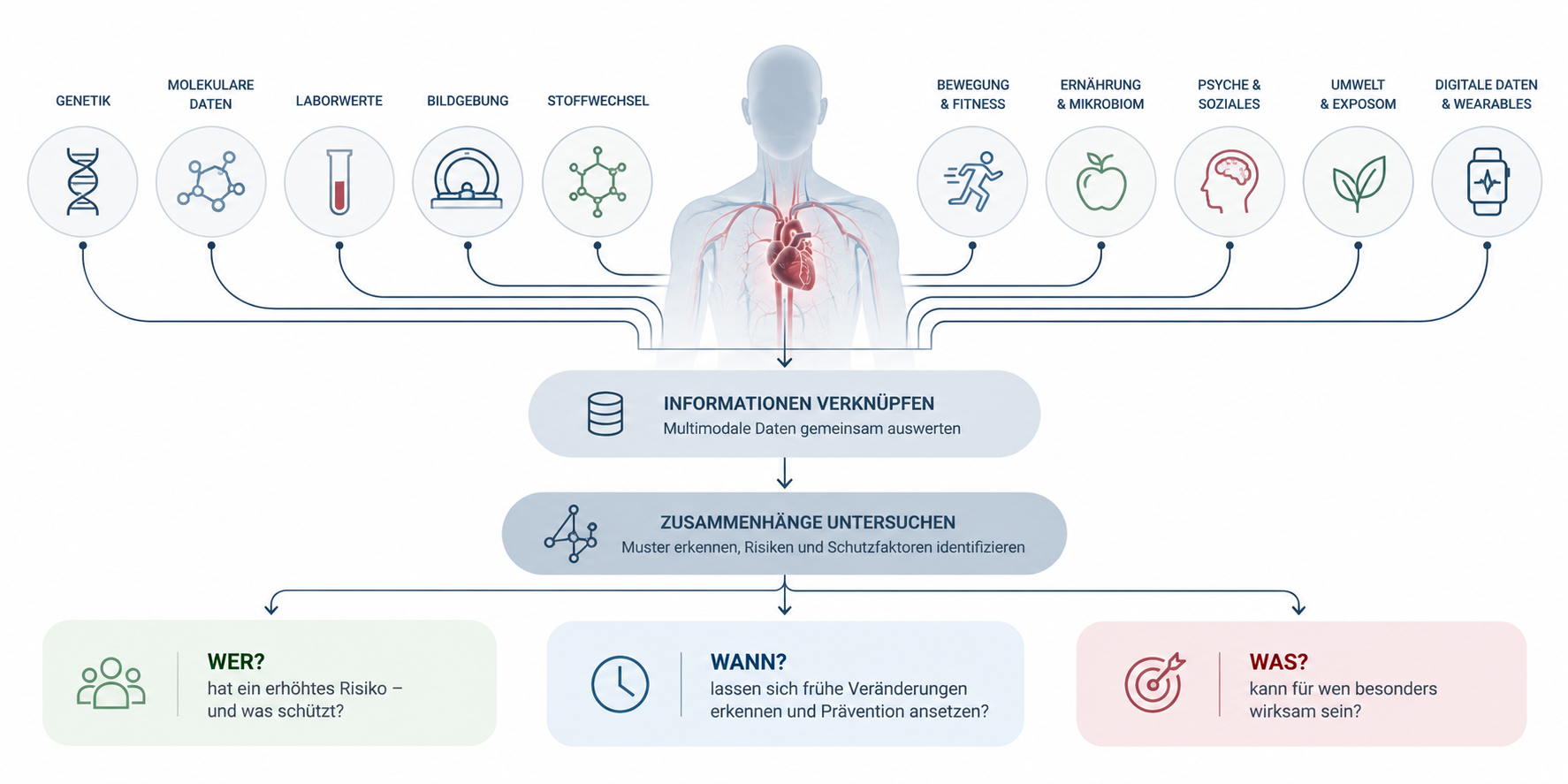
Networked Research
Cardiovascular diseases are complex—and our research is equally interdisciplinary. In our research modules, we examine different aspects of cardiovascular health and synthesize findings from the individual fields. This leads to a more nuanced understanding of how diseases develop, which factors offer protection, and where prevention efforts can be most effectively targeted.
Our Research Modules

Clinical diagnostics
Cardiovascular imaging

Cognition &
Psychology
Nutrition and
Gut microbiome

Vascular biology, inflammation, sport
Fat metabolism
disorders
Digital health
& wearables
Thromboinflammation & hemostasis
Clinical diagnostics
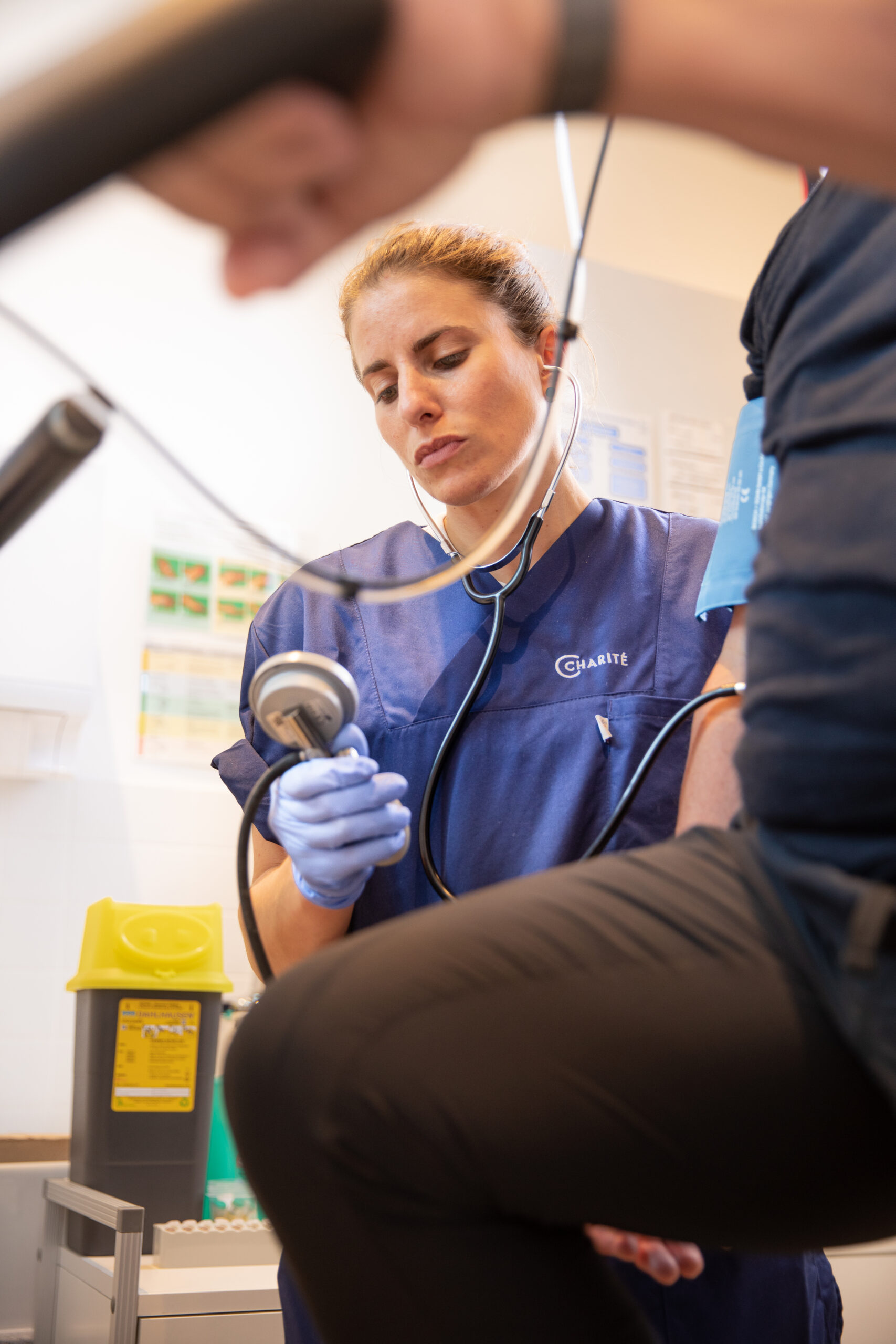
We aim to deepen our understanding of cardiovascular disease development through holistic and interdisciplinary research. To assess individual cardiovascular risk, we conduct a range of tests, medical examinations, and laboratory analyses. Beyond conventional risk factors like smoking or obesity, we also consider psychosocial and cognitive influences such as chronic stress, social isolation, or memory loss. Additionally, we collect data on participants' daily habits, exercise, and diet. These clinical diagnostic results are integrated with molecular diagnostic findings for comprehensive analysis.
Cardiovascular imaging
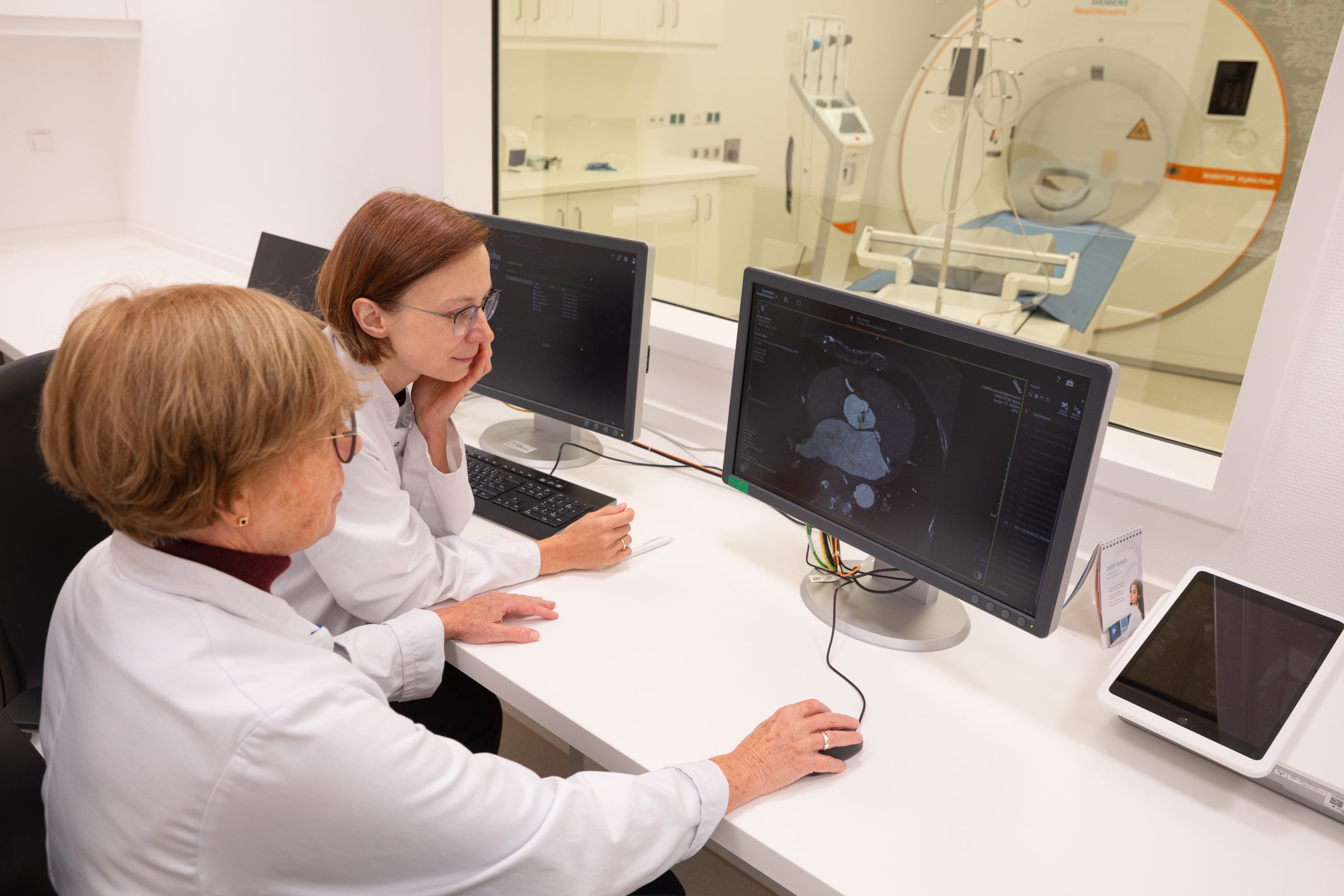
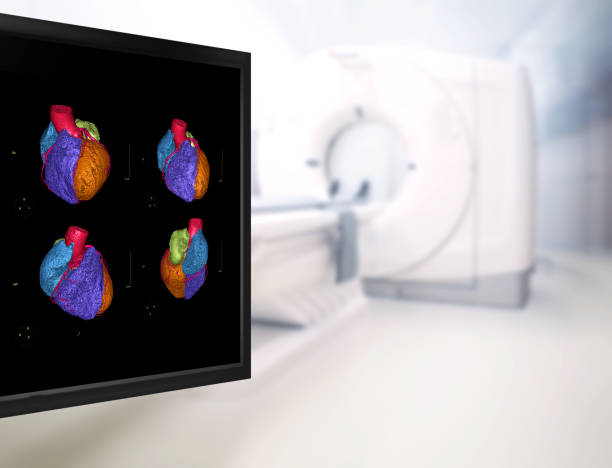
Our research explores how inflammation contributes to arterial hardening (atherosclerosis). Advanced imaging methods, including computed tomography angiography (CCTA) and optical coherence tomography (OCT), allow early detection of vascular changes without invasive procedures. We study how exercise, diet, and medication can reduce inflammation and lower cardiovascular risk. Efforts include combining CCTA with cardiac MRI to enhance diagnostics and gain deeper insights into disease mechanisms, enabling earlier detection.

Cognition & Psychology
Psychosocial health, encompassing emotional well-being, social connections, and resilience, directly affects cardiovascular health. While behaviours like exercise, healthy eating, and strong social bonds are protective, questions remain about how genetic, medical, and psychosocial factors interconnect. Our research investigates these dynamics, including the role of mental health and motivation in lifestyle changes, to better understand cardiovascular health over a lifetime.
Nutrition and
Gut microbiome
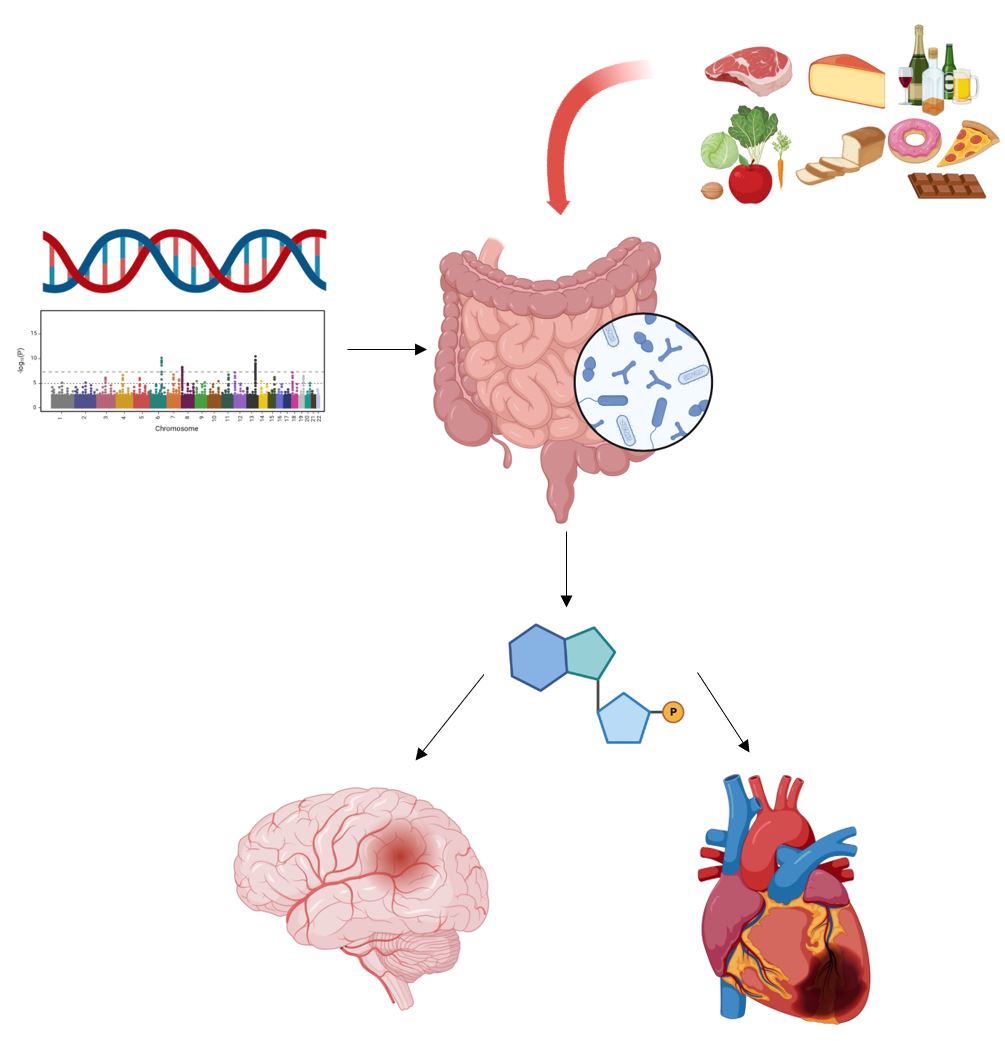
High LDL cholesterol is a known cardiovascular risk factor. Recent studies highlight the role of propionic acid, a product of gut bacteria digesting dietary fibre, in reducing cholesterol levels. We aim to expand precision nutrition research to examine how gut microbiota and their metabolites influence heart health. This work seeks to develop personalized nutritional strategies for preventing and treating cardiovascular diseases.
Vascular biology, inflammation, sport
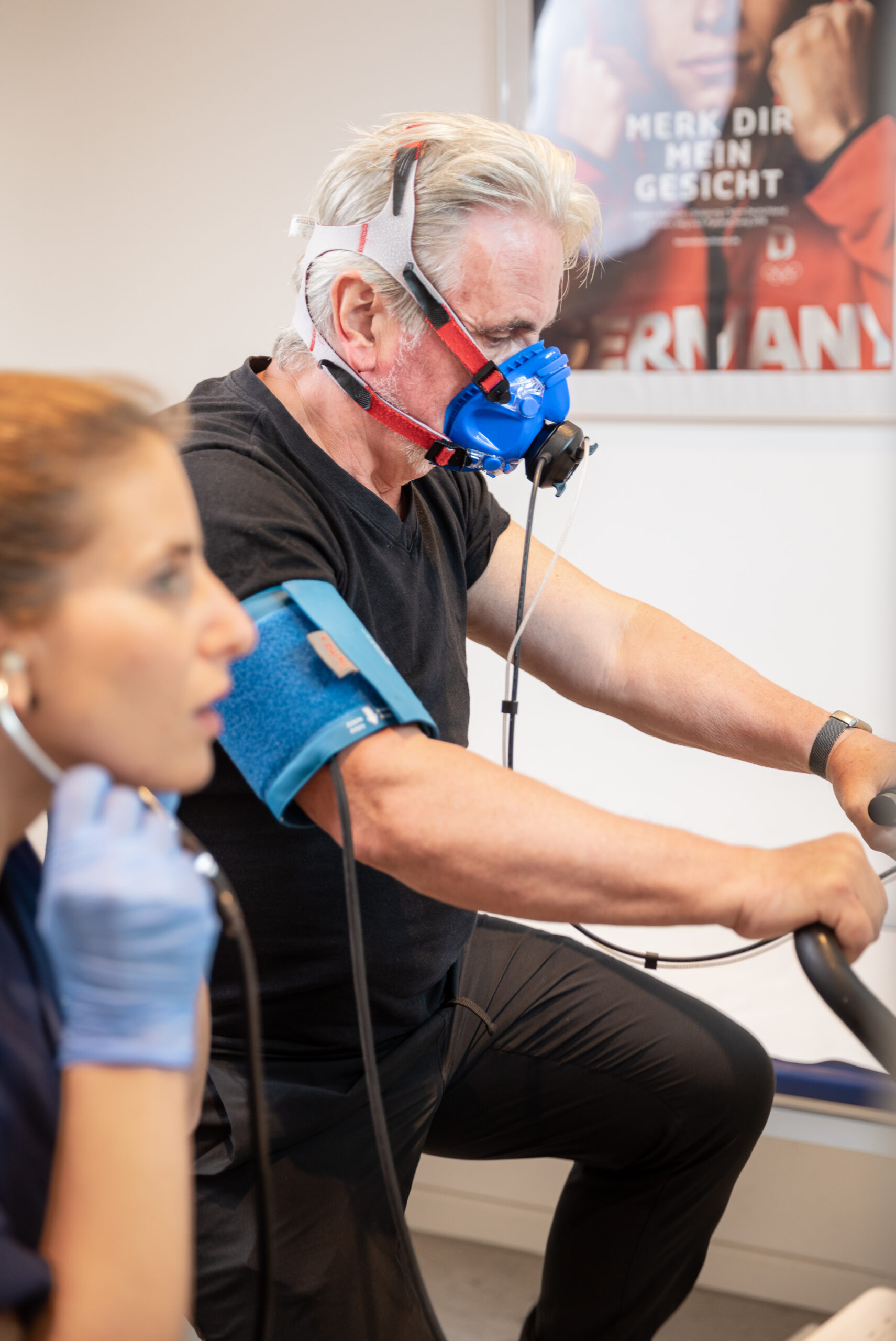
Exercise benefits heart health, though not everyone experiences the same gains. We explore how physical responses to activities like cycling can predict cardiovascular risk and how tailored exercise routines can maximize heart health. Using tools like ergospirometry, activity tracking, and blood sample analyses, we study white blood cells and platelets, sharing insights with researchers to optimize preventive care.
Fat metabolism disorders
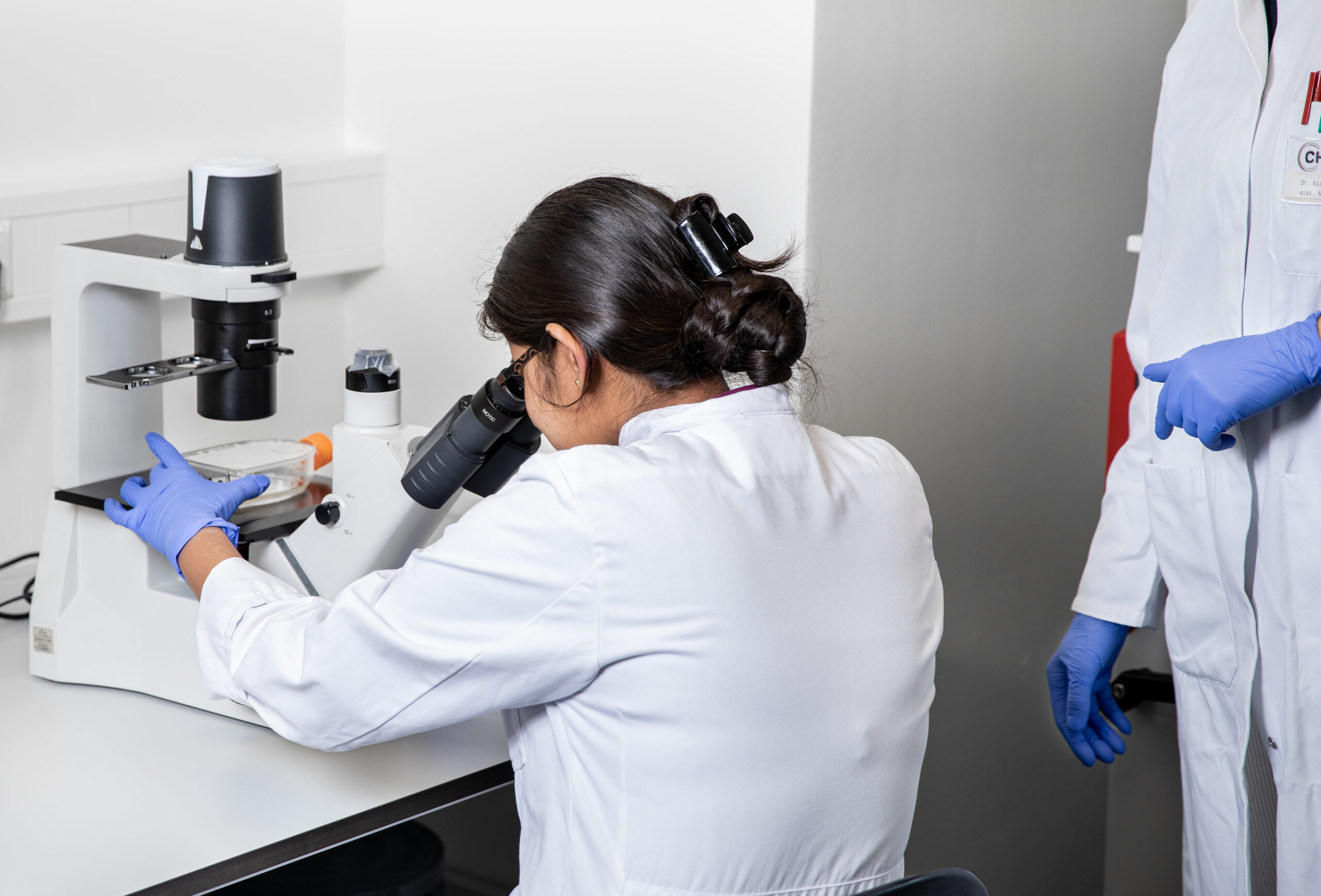
Dyslipidaemia, marked by abnormal cholesterol or triglyceride levels, is a major cardiovascular risk. Lowering LDL cholesterol significantly reduces disease risk. We investigate various questions related to lipid metabolism, including early detection of familial hypercholesterolemia in newborns, to improve prevention and treatment.

Digital health
and wearables
Wearable devices, such as fitness trackers, collect vital data on movement, sleep, and heart rhythms. These insights help create personalized risk profiles. We evaluate how well digital tools detect and prevent cardiovascular diseases while promoting health awareness and self-monitoring.
Thromboinflammation & hemostasis
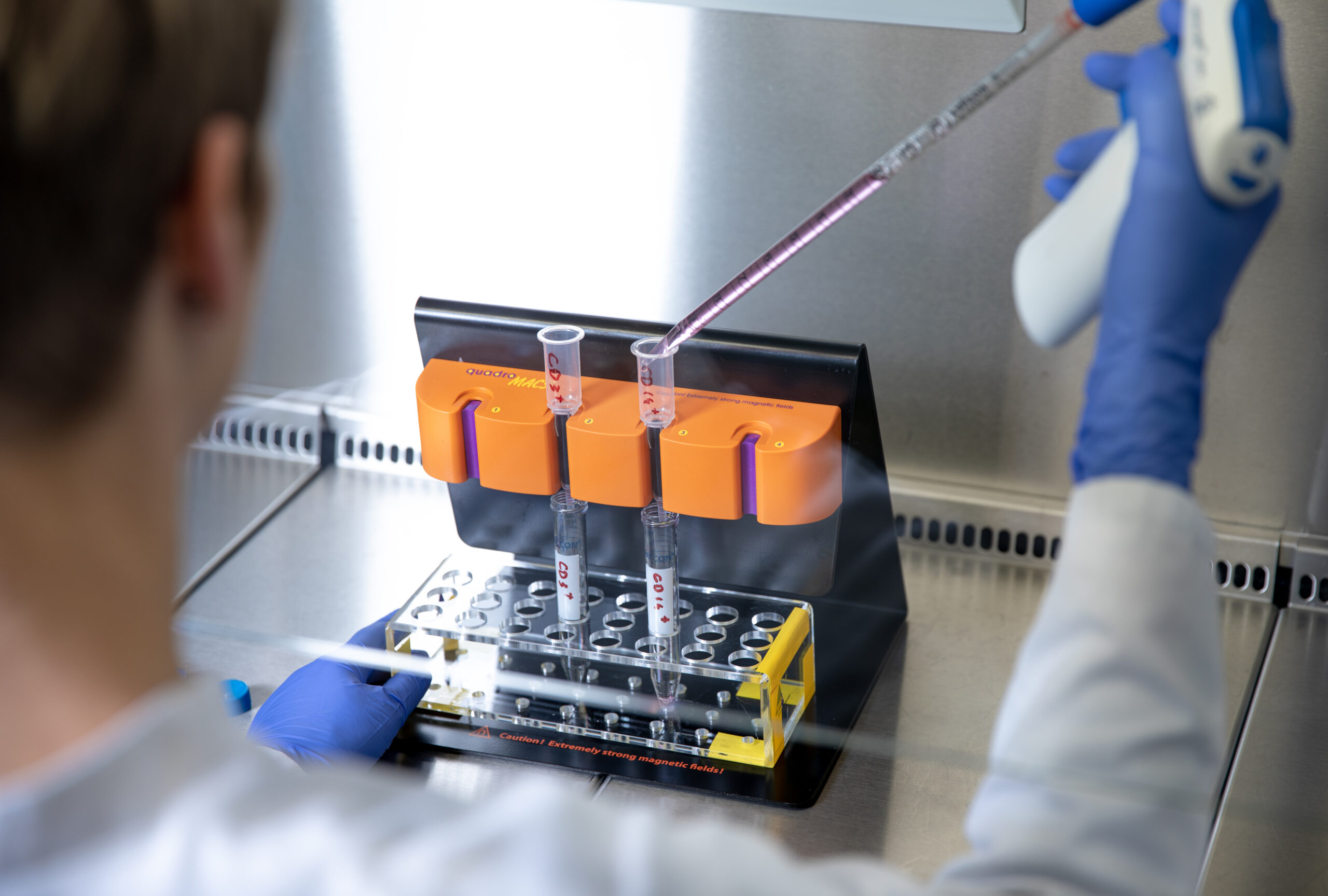
Normal blood clotting stops bleeding but can become problematic if clots block blood flow, leading to thrombosis, heart attacks, or strokes. Clots also trigger inflammation (thromboinflammation), contributing to vascular disease. We study risk factors like high blood sugar and elevated lipids, testing interventions such as diet, exercise, and medications to reduce clot-related risks. Your participation is essential in preventing thrombosis-related illnesses.
If a thrombus has formed in a vessel, inflammatory changes can always be detected there, as a thrombus causes a strong inflammatory stimulus (thromboinflammation). This inflammation contributes to the development of pathological changes in the body, e.g. vascular inflammation. In the "Thromboinflammation and haemostasis" module, we deal with the prevention of these pathogenic processes mentioned above. In other words, we want to prevent the development of thrombosis and thromboinflammation. To this end, we at the Friede Springer Prevention Center investigate certain risk factors leading to thromboinflammation with a focus on preventing them through preventive measures. Risk factors include elevated blood sugar levels, such as in pre-diabetes or diabetes, elevated lipids in the blood or certain other changes within the platelet and coagulation system. We carry out functional analyses of platelets and coagulation factors in patients with risk factors. We also analyze the extent to which interventions such as a specific diet, exercise, weight loss, anti-inflammatory drugs and other tablets lead to an improvement in the factors that are important for the development of thrombi. The extent of the inflammation is also assessed.
We need your cooperation to be able to carry out these examinations. We want to protect you from developing diseases caused by thrombosis during your lifetime.